


Who This Bible Study Is For
Some of you have not been inside a church in years.
You believe in God, maybe. Maybe not. You are not sure what you believe about Jesus. What you are sure about is what you have seen.
You have seen death up close.
You have seen violence.
You have seen what people are capable of doing to each other.
You carried a rifle in combat.
You wore a badge and made split second decisions that changed lives.
You pulled someone from a burning structure and watched another one die.
And somewhere along the way you began to wonder whether church people could understand you. Or whether God even wants someone with your history.
Some of you did walk back into church.
You sit in the congregation. You sing the songs. You listen to the sermons. But there is a quiet distance. You feel different. You hear talk about forgiveness and grace, and part of you wonders how that applies to someone who has taken life, used force, or lived for years in controlled aggression.
Some of you feel guilt.
Some feel anger.
Some feel pride.
Some feel nothing at all.
A few quietly believe they may not be the kind of people Christ saves.
Christian Warrior Bible Study is for you, whether you are inside the church, outside it, or standing somewhere in between.
This is not a study for people pretending the world is soft. It is for those who have seen it hard.
We are going to open Scripture and deal honestly with strength, authority, bloodshed, conscience, trauma, redemption, and identity. Not through sentiment. Not through politics. Through the Bible.
If you have carried the sword and are trying to understand where you stand before God, you are welcome here.
A Word About the Man Writing This
At some point you should know who is writing this.
This is me.
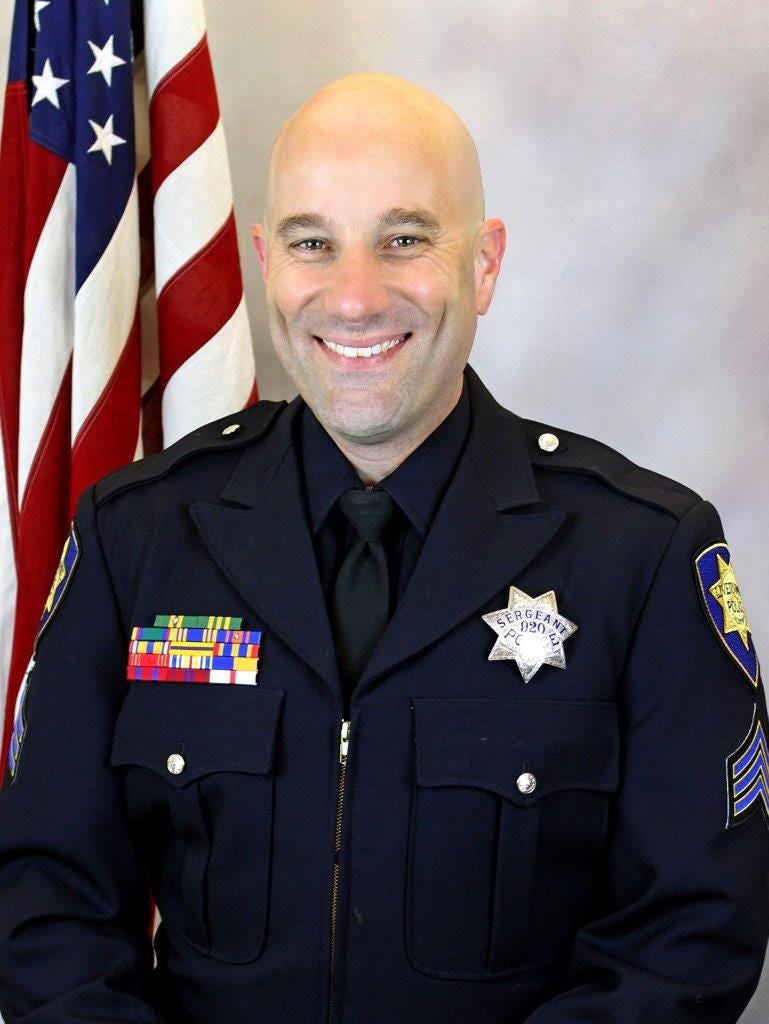
When you look at that photo, you see ribbons and rank. You see a full career. You see a man who appears steady and confident.
What you do not see behind that smile is the darkness that followed me home.
You do not see the injuries that still cause daily pain. You do not see the images that replay without invitation. You do not see the seasons when I questioned whether Jesus could save someone who had seen and done what I had.
There were times I believed I had gone too far. That maybe grace was for other people.
There were periods when the physical pain and accumulated weight of the job led to thoughts I should never have entertained.
My daughter and her husband stepped in during one of those seasons. They urged me to come to church. Faithful Christians did not flinch at my past. They opened Scripture and showed me what it actually says about sin, authority, redemption, and the cross.
That is why this study exists.
This is not theory for me. It is personal.
The Warrior Is Not Outside God’s Story
Scripture does not ignore warriors. It does not pretend they do not exist. It does not treat strength as something foreign to God.
Abraham trained men for battle.
Moses led a nation that fought wars.
Joshua commanded armies.
David was a warrior long before he was king.
David killed Goliath. He led troops. He shed blood in battle. Yet Acts 13:22 says God described him as a man after His own heart.
That does not mean David was sinless. It does mean that being a warrior did not place him beyond redemption or beyond God’s purposes.
When Roman soldiers came to John the Baptist in Luke 3:14, they asked what repentance looked like for them. John did not tell them to abandon their posts. He told them to act justly and be content with their wages.
Jesus praised the faith of a centurion in Matthew 8. He did not rebuke him for serving in the military.
The presence of a sword does not automatically equal rebellion against God. The heart behind the sword is what Scripture examines.
Authority, Force, and Conscience
Romans 13 describes governing authority as God’s servant, one who “does not bear the sword in vain.” That language is direct. It acknowledges that force exists and that, under lawful authority, it serves a purpose.
That does not excuse cruelty. It does not justify vengeance. It does not sanctify rage.
But it does recognize that restraining evil is part of how God maintains order in a fallen world.
Many who have served in law enforcement or the military wrestle with this. They replay incidents in their minds. They ask whether they acted correctly. They wonder if they crossed a line.
There is a difference between sinful violence and lawful force carried out under authority with the intent to protect life.
That distinction needs to be understood biblically, not emotionally.
We will walk through that carefully in future studies.
Bloodshed and Redemption
David is an important example. He was denied the privilege of building the temple because he had shed much blood, as recorded in 1 Chronicles 22:8.
There were consequences to his life as a warrior.
But he was not cut off from God. He wrote psalms of repentance. He worshiped. He trusted the Lord. He was forgiven.
Consequence is not the same as condemnation.
Paul persecuted Christians. He approved of executions. In 1 Timothy 1:15 he calls himself the foremost of sinners. Yet he also writes about the mercy he received.
No one reading this has committed a sin beyond the reach of Christ’s sacrifice.
If you acted lawfully in defense of others, that is not murder in the biblical sense. If you sinned in anger or pride, that too can be confessed and forgiven.
The cross is not reserved for people with quiet résumés.
What You Have Seen
Some of you are not primarily wrestling with guilt. You are wrestling with memory.
Dead children.
Suicides.
Burned homes.
Combat losses.
Scenes that still wake you up at night.
The Bible does not dismiss anguish.
Read the Psalms. David writes about fear, despair, and exhaustion. Elijah, after confrontation and conflict, asked God to take his life. Even our Lord wept at Lazarus’s tomb.
Strength and grief are not opposites.
Many warriors carry what is now called moral injury. That is not always the same as sin. Sometimes it is the burden of living in a broken world and seeing its worst moments up close.
This study will not offer shallow answers. We will go to Scripture and let it speak clearly about suffering, endurance, confession, and hope.
From Occupation to Identity
Another struggle comes after retirement or discharge.
When the badge comes off or the uniform is folded away, who are you?
For years you were the one people called when things went wrong. You moved toward danger. You operated with authority. Then one day it slows down or stops.
Your identity cannot remain rooted in a title.
Colossians 3:3 says, “For you have died, and your life is hidden with Christ in God.”
That is a deeper identity than officer, soldier, firefighter, or operator.
The protector instinct many of you carry is not an accident. Properly ordered, it reflects something true about God, who defends the weak and judges evil. But that instinct must be governed by humility and obedience to Christ.
We will talk about strength under control. We will talk about leadership in the home. We will talk about anger and pride. We will talk about service after service.
What This Channel Will Do
Christian Warrior Bible Study is not political commentary. It is not therapy disguised as Bible teaching. It is not anti law enforcement or anti military.
It is a direct look at Scripture for men and women who have carried the sword.
We will study:
Warriors in the Old and New Testaments
The difference between justice and vengeance
Guilt, confession, and assurance of salvation
Trauma and suffering through a biblical lens
Authority, obedience, and conscience
Spiritual warfare
Preparing your heart for eternity
We will not romanticize violence. We will not ignore it either.
If You’re Here, Don’t Ignore It
If you found this study, don’t ignore that.
Maybe you clicked out of curiosity. Maybe someone sent it to you. Maybe you were searching late at night when your thoughts would not settle down.
You are here now.
If something inside you knows it is time to deal with what you have been carrying, listen to that.
It is time to open the Word seriously. It is time to understand where you stand with Christ. It is time to stop avoiding the things that still wake you up at night.
But Bible study alone is not always enough.
Some of you need counseling. Some of you need structured treatment. There is no weakness in that.
You trained hard for your profession. You did not walk into dangerous situations without preparation. Your mind deserves the same discipline.
For some, that may mean meeting with a solid Christian counselor. For others, trauma-focused therapy. EMDR. Group counseling with other veterans or first responders. Structured programs that deal directly with moral injury and accumulated stress.
Healing your mind does not compete with faith. It can work alongside it.
God uses means. He uses Scripture. He uses wise counsel. He uses trained professionals.
If you are serious about moving forward, do both.
Commit to growing in the Word each week.
And if you know you are struggling, take the step to get help.
There is no honor in silently breaking.
A Word to the Warrior Who Feels Unworthy
If you have taken life in the line of duty and wonder whether Christ could receive you, read the Gospels carefully.
Christ saves sinners.
If you enforced the law under rightful authority and in defense of others, you were not acting outside of God’s knowledge or sovereignty.
If you sinned, confess it plainly. First John 1:9 is clear that He forgives and cleanses.
If you carry memories that do not leave, you are not weak. You are human.
You are not disqualified from grace because you have seen war up close.
This study begins with that understanding.
If you have carried the sword, this is for you.
All, make sure you sign up for this bible study at https://christianwarriorbiblestudy.com. Each week we will release a new subject. Be active in the comments. Get to know one another and start supporting each other. Come share the joy that Jesus Christ has given us.
Retired State Trooper. I appreciate the sincere calling in your writing and the understanding as a brother in blue. Many times the military veteran gets to leave the battlefield, a LEO does not, we live in the same battlefield that we served. God Bless all the warriors that carried the sword.