


I have 2 free downloadables to help you with your training below. Read the article first though!
On a quiet Sunday morning, a man walked into a church, found a seat near the front, and began mumbling to himself. At first, no one took notice—just another visitor, maybe troubled, maybe seeking answers. But as the pastor reached a key point in his sermon, the man stood up and started shouting.
The safety team responded immediately. A couple of team members approached, hands open, voices calm. One took a position at the back in case things escalated. They handled it well, guiding the man out without confrontation. But later, in the debrief, a troubling realization emerged—not everyone on the team knew exactly what to do. One member hesitated when they should have moved. Another nearly got too aggressive. And communication had been unclear over the radio.
This was a win, but only barely. The team knew they had work to do.
That’s where structured training and After-Action Reviews (AARs) become essential. Without them, safety teams rely on assumptions, scattered experience, and best guesses—and that’s a recipe for failure when lives are at stake.
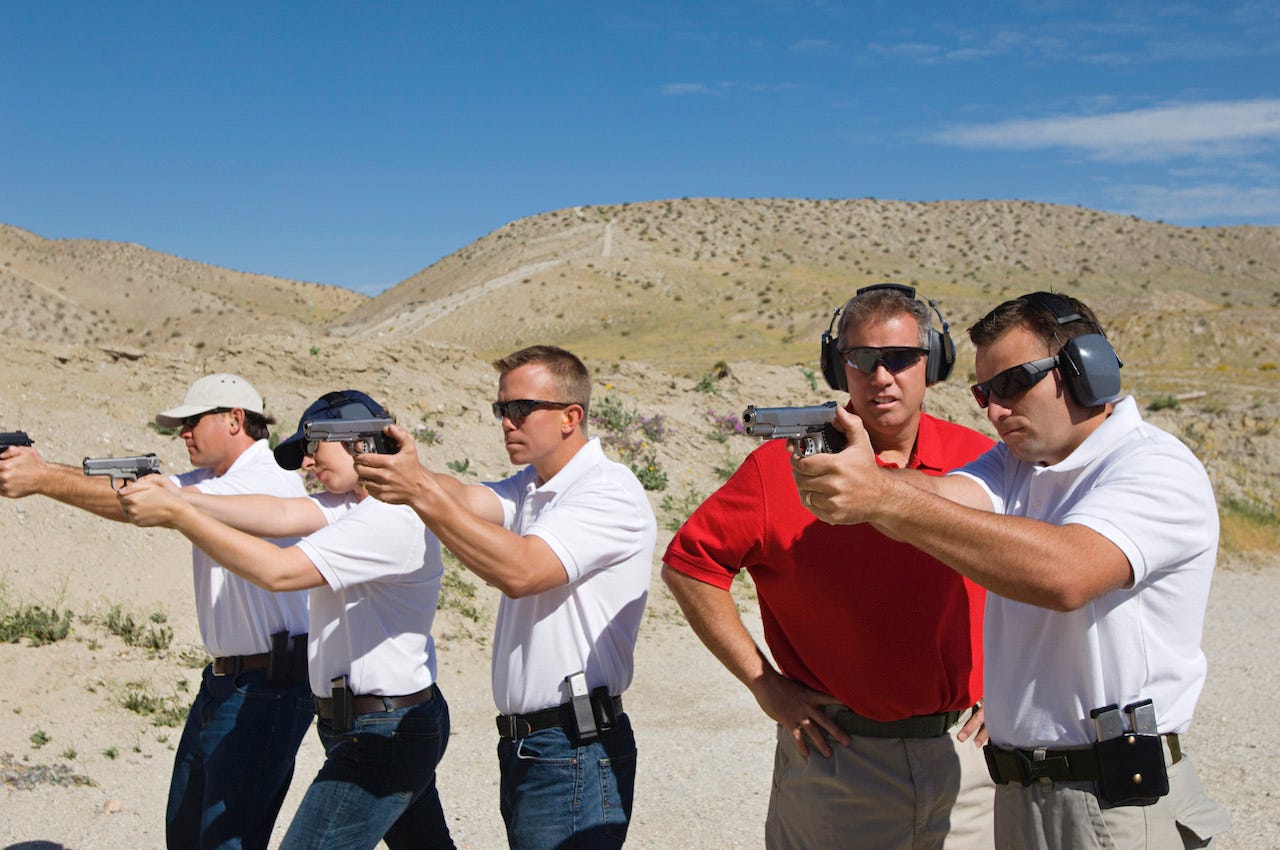
Training Without a Plan is Just Winging It
Many church security teams meet once a month, maybe running through a few drills or discussing security concepts. That’s not enough. Training should be structured, documented, and progressive—otherwise, how do you know if the team is actually improving?
A training outline serves as a roadmap, ensuring that skills build on one another. It prevents complacency, ensures every member gets proper instruction, and provides a legal record of training. If an incident ever leads to a lawsuit or legal scrutiny, a documented training record can mean the difference between liability and legal protection.
Churches might think, “That won’t happen here,” but court cases involving use of force by church security teams have already occurred—and judges will ask to see training records. If a team can’t prove ongoing structured training, they’re operating at risk.
A proper training outline shouldn’t be complicated, but it must be clear and repeatable. Each session should include:
A written agenda (what will be covered and why)
Scenario-based training (realistic drills inside the sanctuary)
A mix of classroom instruction and hands-on practice
When church security is treated as a profession, teams train with intentionality. That’s what separates a prepared team from an untrained group of volunteers.

After-Action Reviews: The Key to Continuous Improvement
A training outline gets the team prepared—but what happens after the training? How do you know it worked?
That’s where After-Action Reviews (AARs) come in.
Every law enforcement and military unit runs AARs after training and real-world missions. Why? Because the best way to improve is to review mistakes and refine tactics.
Let’s go back to that church disruption scenario. The safety team successfully handled the situation, but in the AAR, they identified several critical gaps:
One team member hesitated because they weren’t sure what their role was.
Another moved too aggressively, almost escalating the situation.
The radio call for assistance was unclear and delayed.
These may not have seemed like major problems in the moment, but under different circumstances, they could have made the situation worse. What if the disruptor had been armed? What if the team’s hesitation led to panic in the congregation?
An AAR allows a team to evaluate their performance, document lessons learned, and adjust for future scenarios. Without this process, mistakes get repeated—and the team never truly improves.
A structured After-Action Review should include:
What went well?
What didn’t go well?
How do we correct these issues before next time?
When documented properly, AARs also serve as legal protection, proving that the safety team actively reviews and improves its procedures. If an incident ever goes to court, a well-maintained AAR record shows that the church takes security seriously and does not act recklessly.
From Casual Volunteers to a Professional Security Team
Too many churches approach security casually—just good men and women volunteering to keep people safe. That’s a good start, but a lack of structure leads to liability and inconsistent response.
Church security needs to be professional, even if the team is made up of volunteers. That means:
Every training session has a written plan.
Every scenario is reviewed through an AAR.
Every lesson learned is documented and used for future training.
These steps don’t just make a team better—they make a church safer.
And safety isn’t just about stopping threats—it’s about being ready before threats happen.
How to Get Started: Free Training & AAR Templates
To help church security teams implement these steps, I’ve included free templates:

These are ready-to-use formats designed for church safety teams. Use them, modify them for your team, and start training like professionals.
Final Thoughts: Commitment to Improvement
Church security is more than just standing at the door armed—it’s a ministry of protection, preparation, and wisdom.
Without structured training and AARs, a team may think they’re ready—but when a real crisis happens, bad habits and lack of preparation will be exposed.
If you’re already training, start documenting it with an outline.
If you’re not running AARs, make it a mandatory post-training step.
If your church leadership isn’t on board, show them why these steps matter for liability protection and congregational safety.
A well-trained, well-reviewed safety ministry is a stronger and more reliable safety ministry.
💬 Does your safety team document training and review AARs? What has your experience been? Drop a comment below and let’s discuss!
I've updated the article so you have the outline and AAR. Sorry about the mistake when I originally posted it.
Hey brother, first of all, well done! I truly appreciate your knowledge and your desire to make us all better. In the last article you published (How to Run Church Security Training Like the Professionals Do) you included 2 downloads (Training Template and an AAR Template). Unfortunately, the two downloads that got included in the articles are an exact copy of the AAR Template and I think we are missing the Training Template. Blessings!
Jose